Food policies in times of crisis : solidarity, hunger, and poverty in Argentina
In partnership with
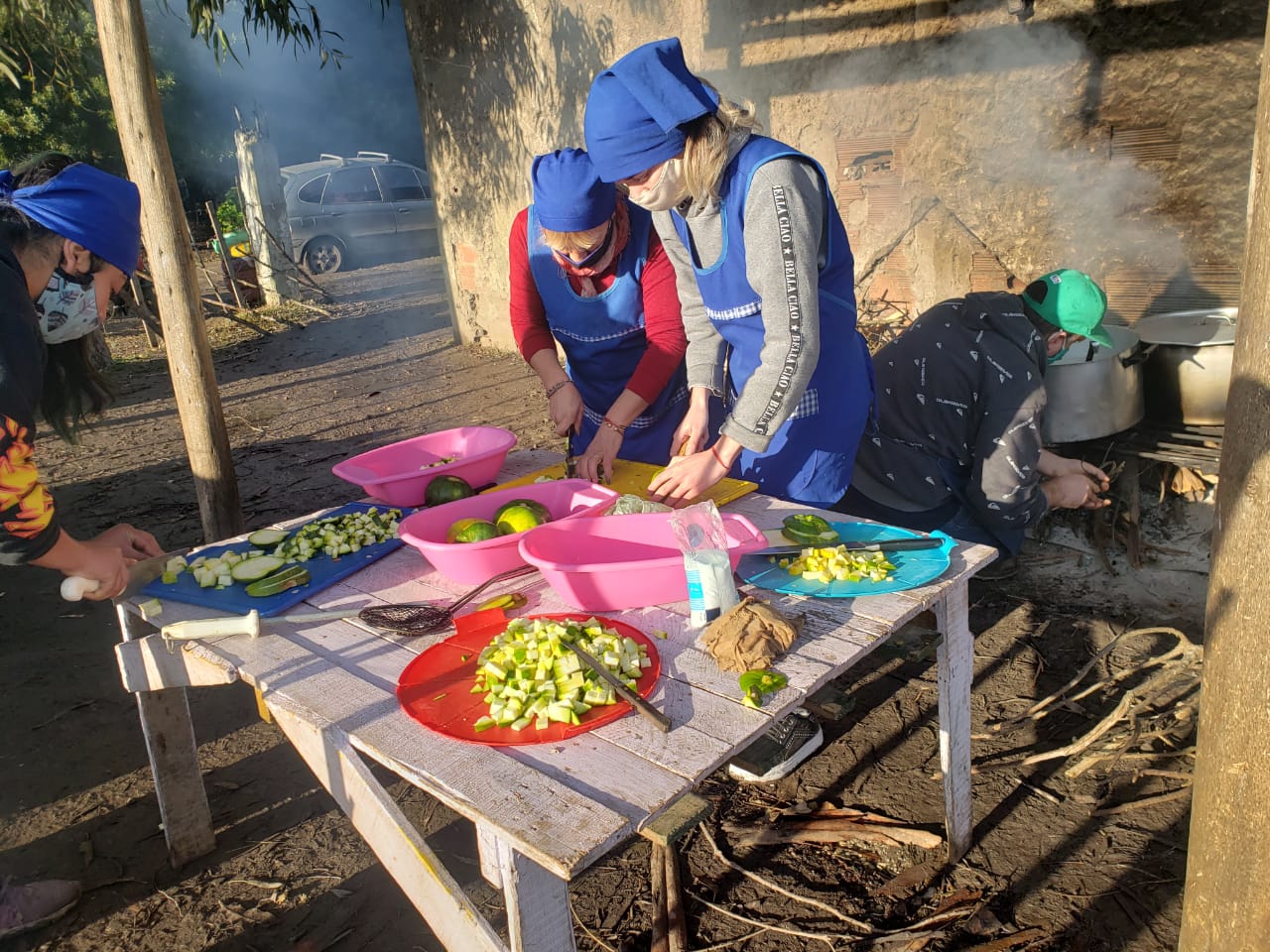
Learn how despite Argentina’s worsening food crisis and declining state support, vulnerable communities are organizing their own grassroots solidarity networks.
Food Solidarities International Network | Webinar #2, July, 9th
About the webinar series :
Through its various upcoming events, the Food Solidarities International Network, founded by the UNESCO Chair on World Food Systems and the Food equity center, aim to bring together researchers and practitioners, exploring how communities navigate food insecurity, structural inequalities, and local solidarity within the International context.
Watch the Webinar Replay here :
Context and challenges : For decades, community kitchens have played a central role in collective food provision in Argentina, continually adapting to social and economic challenges. However, despite successive government food aid programs, the country continues to face a deepening food crisis marked by unemployment, rising food prices, and increasing malnutrition.
As public support becomes insufficient with reduced funding for community canteens and the suspension of some school meal programs, communities are developing new forms of Local solidarity initiatives and mutual aid, creating alternative ways to organize food access beyond formal institutional frameworks.
Meet the Speaker :
To explore these dynamics, we were pleased to welcome María Victoria Sordini (PhD in Social Sciences, CONICET researcher, and professor at the National University of Mar del Plata), who discussed :
- Food policies in Argentina and the situation of community kitchens as strategies for food solidarity.
- How patterns of food domination and the expropriation of energy are imprinted on bodies
- How eating practices and (mal)nutrition open pathways for action and reflection
- Finally, how food policies influence collective futures and models of society.